Winter shoes: warm, waterproof and slip-resistant for Brussels streets
Good winter shoes keep your feet dry on wet cobblestones, warm at the tram stop and steady on a slippery pavement. This guide explains which winter shoes Brussels streets demand: how to recognise a waterproof, lined and slip-resistant pair, whether to go half a size up and how to deal with salt and damp. It also shows what you will find in our shop on Place du Jeu de Balle, at fixed outlet prices.
The winter shoes Brussels weather calls for
A Brussels winter is rarely bitterly cold, but it is long, grey and wet. It rains often, it freezes now and then and snow soon turns to slush. For your shoes, the damp is usually a bigger challenge than the cold.
In the Marolles and in many old streets you walk on cobblestones that turn slippery as soon as they are wet. When it freezes, salt is spread on pavements and squares, leaving white marks on leather. And if you travel by metro, tram or bus, you will often stand still for a few minutes on a cold platform or at a stop.
A good winter shoe therefore has to do three things at once:
- keep water out, even after half an hour of walking in the rain;
- stay warm while you stand still, without making your feet sweat once you are indoors;
- grip on wet cobblestones, damp tiles and a thin layer of snow.
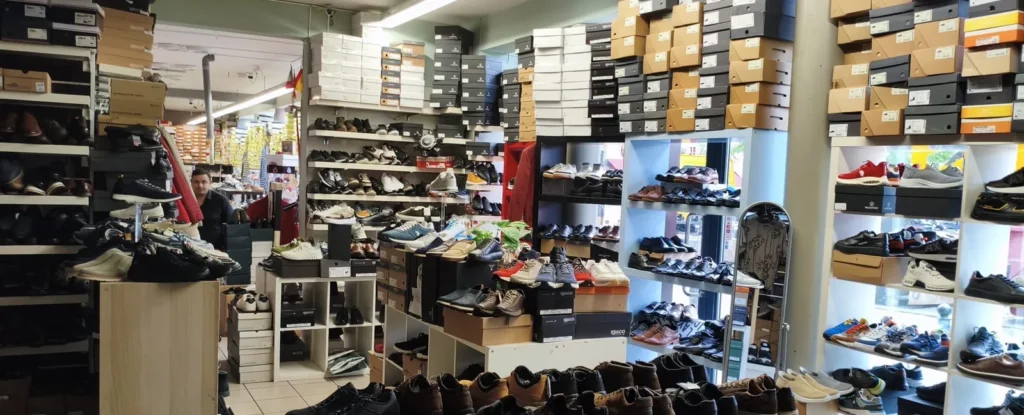
Waterproof, lined, slip-resistant: how to spot good winter shoes
Waterproof or water-repellent
A waterproof shoe keeps water out, even in steady rain or when you step into a puddle. Usually there is a membrane between the upper and the lining, and the seams are sealed. A water-repellent shoe has a treated upper on which drops bead up: fine for a short shower, but in long spells of rain water can still get through.
The box or the label tells you which one you are holding; feel free to ask us in the shop. Look at the tongue too: if it is stitched to the upper on both sides, less water gets in. Our article on boots and ankle boots explains the difference in more detail.
Lined, but breathable
A warm lining keeps out the cold while you stand still. But if you are in and out of doors all day, clammy, sweaty feet are just as uncomfortable as cold toes. A breathable shoe lets that moisture escape, and dry feet also stay warmer.
A sole that grips
Turn the shoe over before you try it on. A rubber sole with a deep, wide tread grips wet cobblestones better than a flat or smooth sole. A low, broad heel is more stable than a narrow one. No sole will keep you fully upright on black ice: take shorter steps and give yourself time.
| Your winter day | What matters |
|---|---|
| On foot or by metro and tram every day | Waterproof, treaded sole, warm lining |
| Mostly by car, short walks | Water-repellent, light lining |
| Office or appointment | Leather dress shoe with a rubber sole |
| Walking in the snow | High boot, waterproof, deep tread |
Half a size up?
You hear it a lot, but it is not a fixed rule. In winter you wear thicker socks and a lined shoe is already a little snugger inside; a shoe that is too big, on the other hand, lets your heel slip and causes blisters. The only reliable answer comes from trying them on.
- Bring the socks you actually wear in winter.
- Your toes should move freely without touching the front.
- Walk a few steps: your heel stays in place and nothing pinches across the instep.
- If in doubt, try both sizes one after the other and compare.
Sizes also vary by brand and model. Check our shoe size conversion chart beforehand, then feel free to try two or three sizes side by side in the shop.
Salt and damp: shoe care
Road salt dries out leather and leaves white marks, and wet shoes that dry the wrong way go stiff. A few habits will keep your winter shoes going for several seasons:
- Waterproof new shoes before you wear them for the first time, and repeat regularly through the winter.
- Wipe off salt marks as soon as possible with a damp cloth, if needed with lukewarm water and a dash of vinegar.
- Let wet shoes dry at room temperature, stuffed with newspaper, never against a radiator.
- Once dry, give smooth leather a little shoe cream; brush suede and nubuck with a special brush.
- Alternate between two pairs, so that each pair can dry out completely.
The full step-by-step method is in our leather shoe care guide.
Our winter stock: Geox and Ecco
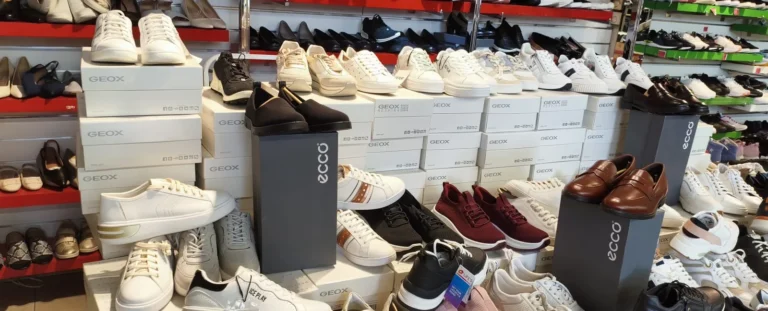
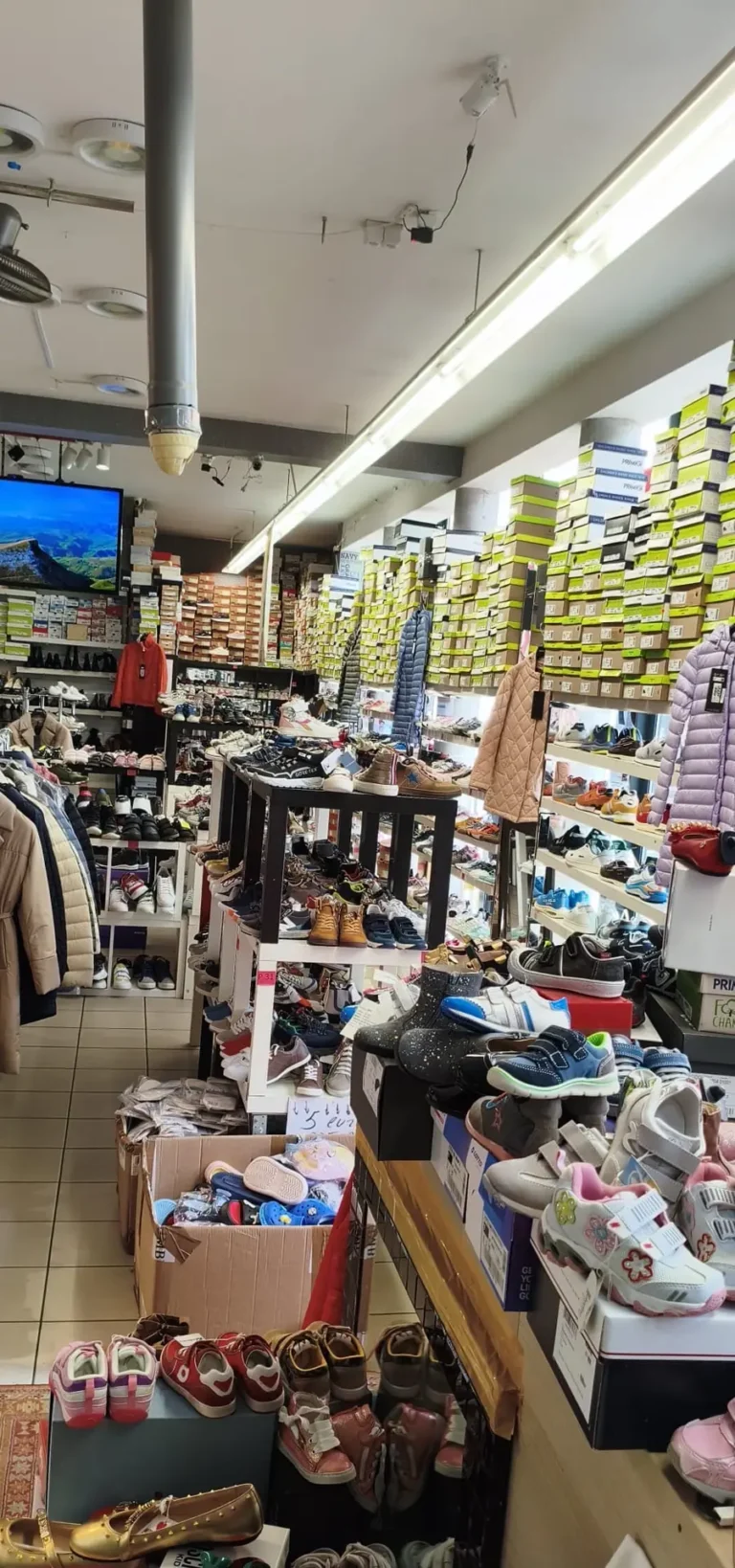
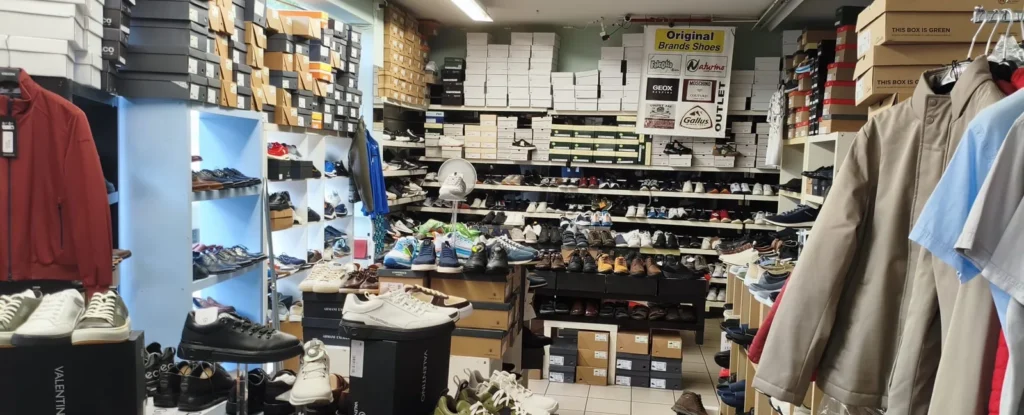
We buy in bulk in Italy, directly from large retail chains, and sell those shoes in our Brussels shop at discount prices. These are fixed, permanent prices, all year round, with no temporary promotions. The shoes are new, in their original box, from recent collections, and depending on brand and model you pay roughly €20 to €150.
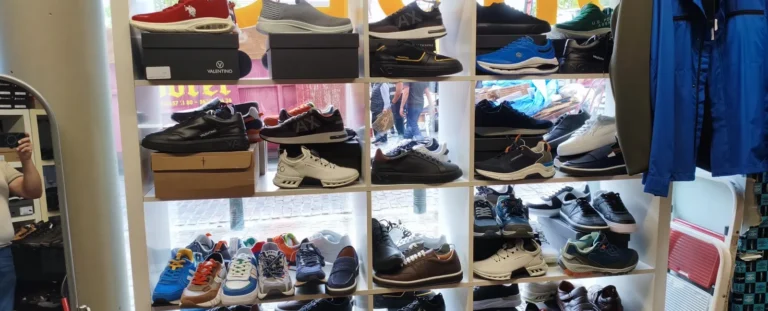
Geox is known for its breathable sole, which lets moisture out from the inside: exactly what you want if you are in and out all day. Ecco, a Danish brand, is known for supple leather and comfort through long days. Depending on deliveries, you will find sneakers, dress shoes and boots from both brands for women and men; read more in Geox at outlet prices and Ecco outlet Brussels.
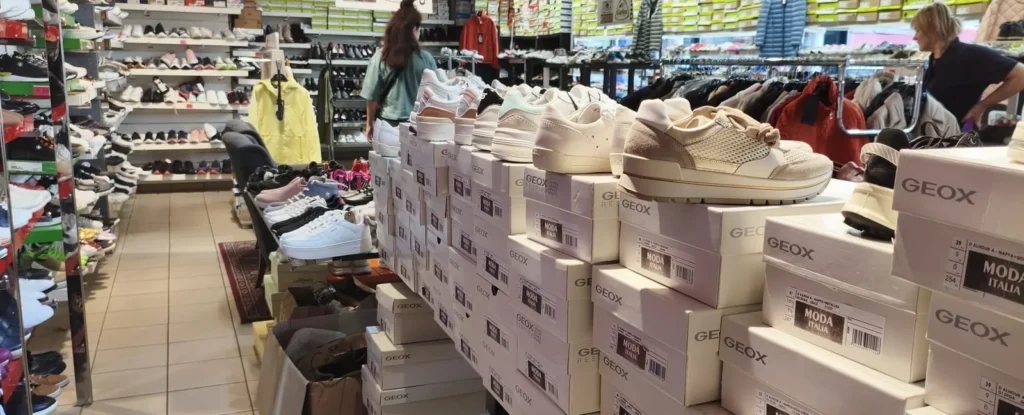
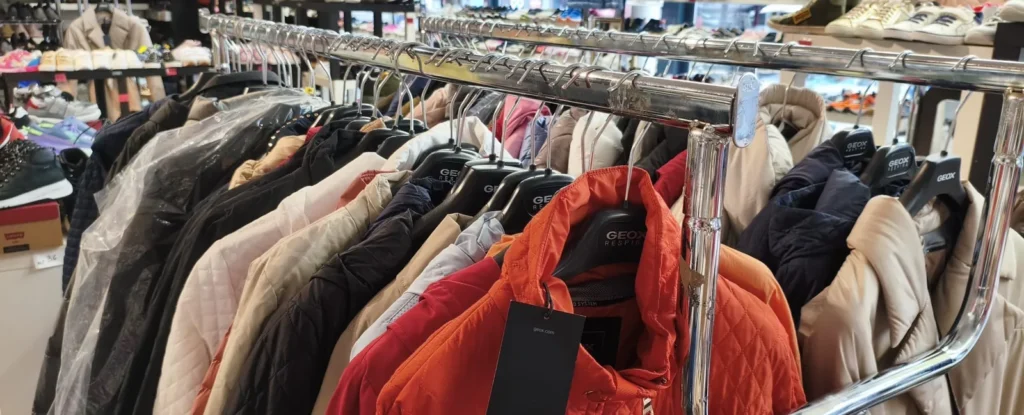
Warm feet deserve a warm coat. In the shop there is a rail of Geox jackets, and our current range of boots is on our boots and ankle boots page. New stock arrives regularly.
Come and try them on, winter socks and all. The shop is at Place du Jeu de Balle 40, on the square of the flea market that is held there every morning, a quarter of an hour on foot from Brussels-Midi (South) station. We are open every day from 9.30 am to 4 pm, Sundays included; for directions, see shop and getting here.
Frequently asked questions about winter shoes
What is the difference between waterproof and water-repellent winter shoes?
A waterproof shoe keeps water out even in long spells of rain, usually thanks to a membrane and sealed seams. A water-repellent shoe has a treated upper that handles a short shower but may let water through in steady rain. Check the box or the label, or ask us in the shop.
Should I buy winter shoes half a size bigger?
Not automatically. Try them on with the thick socks you wear in winter: your toes should move freely and your heel should not slip. Because sizes vary from brand to brand, try both sizes if in doubt and compare.
How do I remove salt stains from shoes?
Wipe them off as soon as possible with a damp cloth, if needed with lukewarm water and a dash of vinegar. Then let the shoes dry at room temperature, not against a radiator. Once dry, give smooth leather a little shoe cream.
Which sole is best on wet cobblestones?
A rubber sole with a deep, wide tread grips better than a flat or smooth sole. A low, broad heel is more stable than a narrow one. On black ice, walking carefully remains the best advice, whatever sole you wear.
Where can I buy winter shoes in Brussels?
At Outlet Chaussures Bruxelles, Place du Jeu de Balle 40, 1000 Brussels, in the Marolles. We are open every day from 9.30 am to 4 pm, Sundays included.